
 Home
Home About Us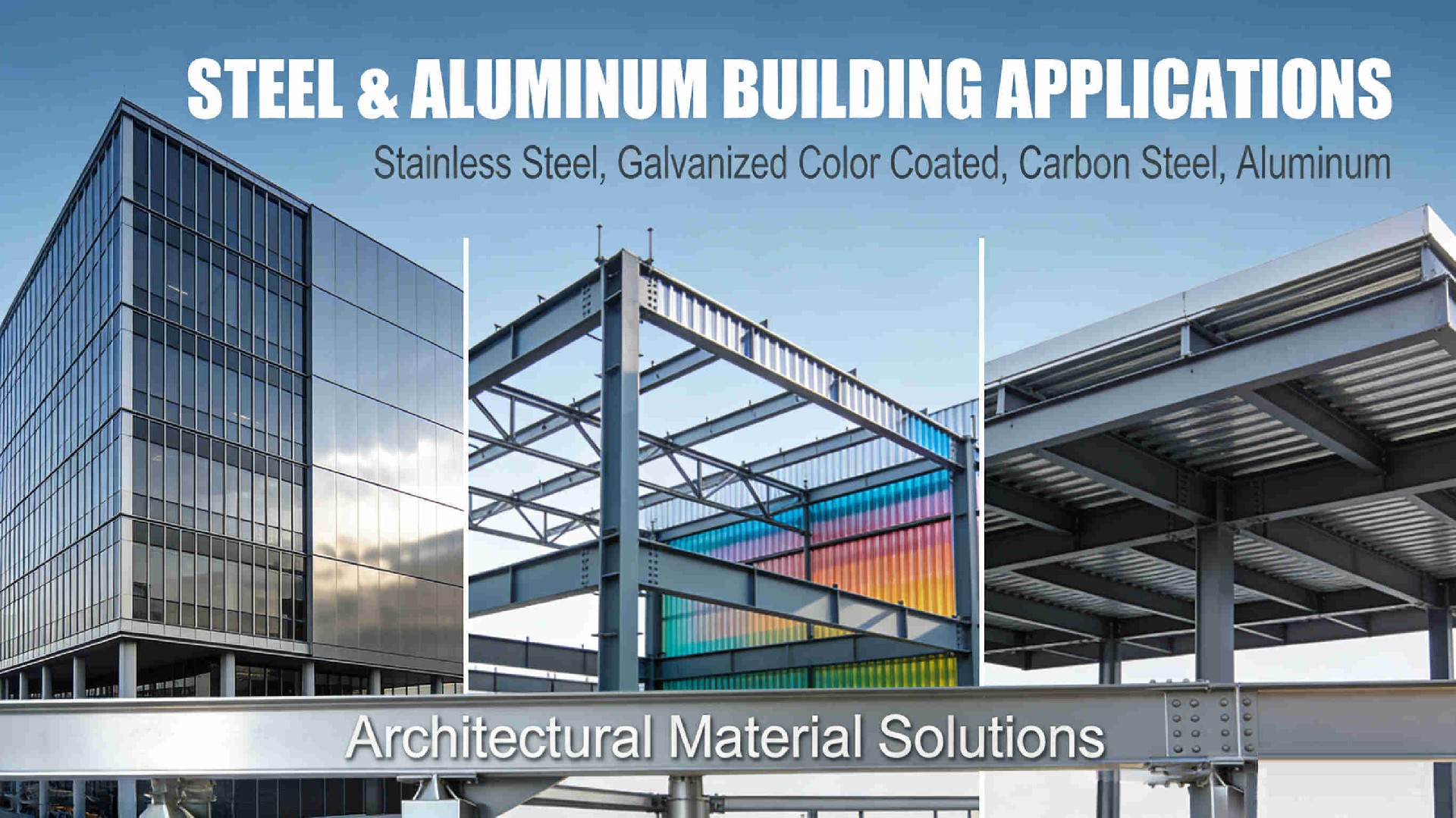
Aluminum Coil
Product Overview
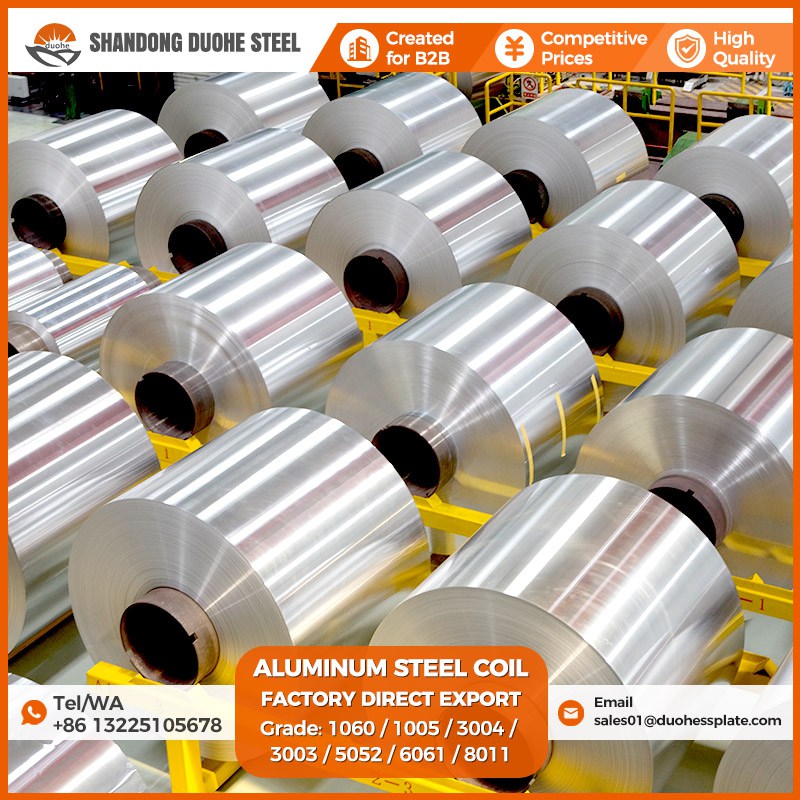
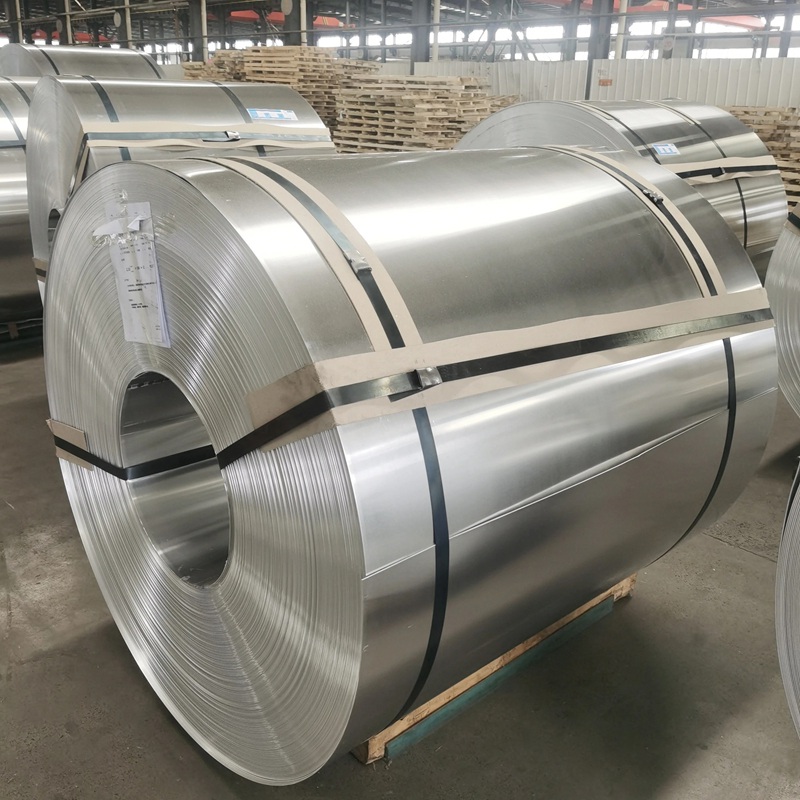
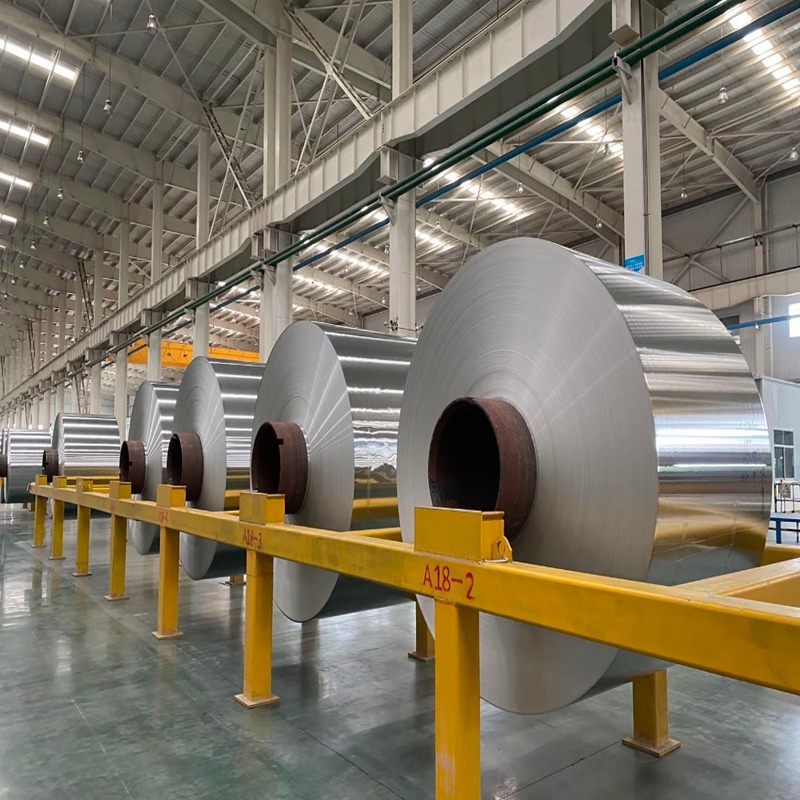
Aluminum coils are flexible, continuous metal rolls made of pure aluminum or aluminum alloys, designed for mass production and automated processing. They inherit all the excellent properties of aluminum materials: lightweight (density only 2.7g/cm³, about 1/3 of steel), superior corrosion resistance (with a natural oxide film on the surface to resist moisture, chemicals, and seawater erosion), excellent thermal and electrical conductivity, easy forming (cutting, slitting, bending, stamping, and rolling), and full recyclability (100% recyclable without reducing performance).
Derived from its roll-shaped design and aluminum’s inherent advantages, it excels at reducing processing waste, improving production efficiency, and lowering overall costs, which are the key benefits you need to optimize your production line. Primarily made of pure aluminum (1000 series) or aluminum alloys (3000 series, 5000 series, 6000 series), it can be customized with different temper states and surface treatments to meet specific application requirements.
Its versatility extends beyond traditional industries, covering new energy (solar panels), medical equipment, and precision manufacturing, making it a cost-effective, efficient, and eco-friendly material. Ultimately, its exceptional performance, standardized grades, and strong adaptability make it a preferred choice for buyers worldwide, guaranteeing high-efficiency production of high-quality, energy-saving, and durable products.
Key Specifications (Customizable for Your Mass Production Needs)
We provide standard specifications that comply with international standards (ASTM, EN, GB, JIS) and support full customization according to your production line requirements, processing equipment, and project drawings. The following are the common specifications most aluminum coil buyers choose, covering the main series and application scenarios:
| Item | Specification Range | Common Standards | Buyer-Focused Note |
| Thickness | 0.05mm - 3.0mm (common), up to 6.0mm (customized) | ASTM B209, GB/T 3880, EN 485, JIS H4000 | Thickness tolerance ≤ ±0.005mm (thin coil) / ±0.05mm (thick coil), ensuring uniform processing |
| Width | 100mm - 2000mm (standard), up to 2500mm (customized) | ASTM B209, GB/T 3880, EN 485, JIS H4000 | Customizable width to match your slitting equipment, reducing cutting waste |
| Coil Weight | 500kg - 5000kg (standard), customizable | International Trade Standard | Weight customizable to fit your production line feeding capacity |
| Temper State | O (Annealed), H14, H18, H24, T4, T6 | ASTM B209, GB/T 3880, EN 485, JIS H4000 | O temper for high ductility; H series for stamping; T6 for high-strength applications |
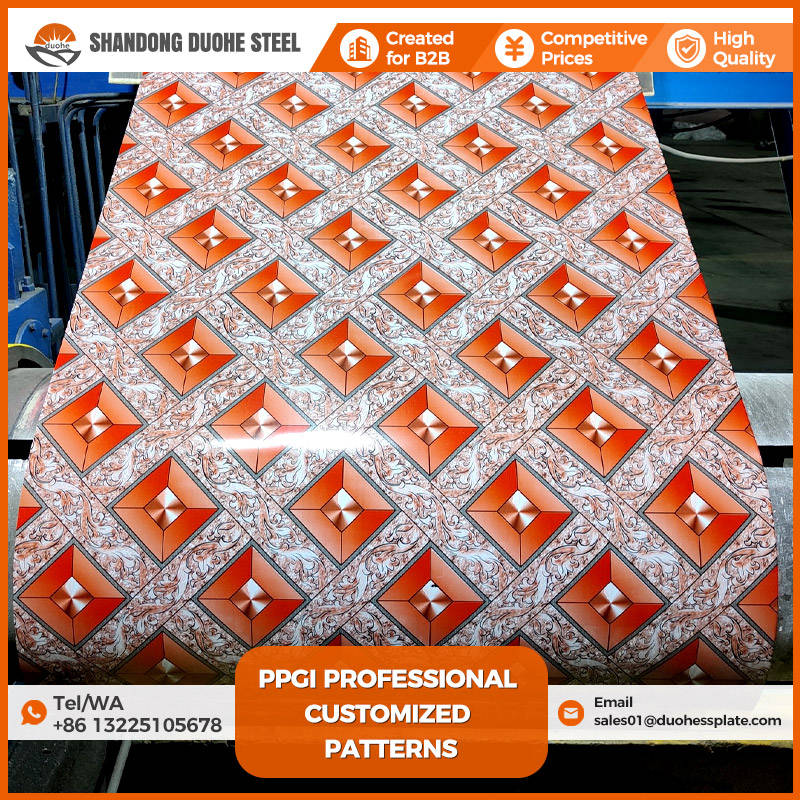
| Surface Treatment | Mill Finish, Anodized, Coated (PVDF/Powder), Polished, Embossed | International Trade Standard | Coated/embossed coils for direct use, saving your secondary processing time |
Understanding Temper (Mechanical Properties)
The temper defines the material's delivery state and mechanical properties. Common tempers for coils include:
O (Annealed): Soft and ductile, ideal for severe forming and deep drawing.
H1x (Strain-Hardened): Work-hardened to achieve desired strength (e.g., H14 = half-hard).
H2x (Strain-Hardened & Partially Annealed): For specific forming requirements.
H3x (Strain-Hardened & Stabilized): For alloys that age-soften at room temp (like 5xxx).
T6 (Solution Heat-Treated & Artificially Aged): For high-strength alloys like 6061.
Application Scenarios (Tailored to Your Industry & Production Needs)
Aluminum coils are widely used in mass manufacturing due to their flexibility, uniform quality, and high processing efficiency.
We list the main application scenarios based on our global buyers' purchasing experience, helping you confirm if it matches your production and project needs:
| Industry | Specific Applications (Mass Production) | Recommended Grades (for Reference) |
| Construction Industry | Curtain wall panels, roof sheets, ceiling panels, aluminum composite panels (ACP) | ASTM 3003/5052/6061, GB 3003/5052/6061, EN 3003/5052 |
| Packaging Industry | Food cans, beverage cans, foil containers, packaging foils, medicine packaging | ASTM 1100/1050/3003, GB 1060/3003, JIS A1050/A1100 |
| Automotive Industry | Car body panels, interior trim, heat sinks, battery casings, door panels | ASTM 5052/6061/6063, GB 5052/6061, JIS A5052/A6061 |
| Home Appliance Industry | Refrigerator panels, air conditioner casings, washing machine shells, radiator fins | ASTM 3003/5052/6061, GB 3003/5052, EN 3003/5052 |
| Electronics & New Energy | Solar panel frames, electronic enclosures, heat sinks, circuit board substrates | ASTM 6061/5052, GB 6061/5052, EN 6061/5052 |
FAQ (Frequently Asked Questions for Aluminum Coil Buyers)
We have sorted out the most common questions from global aluminum coil buyers—focusing on mass production, procurement, and transportation pain points—providing clear and practical answers to help you solve doubts efficiently and ensure smooth production:
Q1: What is the difference between 3003 and 5052 aluminum coils? Which one is suitable for my mass production?
A1: Both are mainstream aluminum alloy coils, with key differences in composition and performance.
3003 (aluminum-manganese alloy) has excellent formability, weldability, and corrosion resistance, suitable for packaging, home appliances, and general structural parts (e.g., food cans, refrigerator panels).
5052 (aluminum-magnesium alloy) has higher strength and better corrosion resistance, suitable for automotive, marine, and outdoor applications (e.g., car body panels, offshore parts).
For general mass production with cost-effectiveness, choose 3003; for high-strength and corrosion-resistant needs, choose 5052.
Q2: How to ensure the aluminum coils do not get scratched, oxidized, or deformed during transportation and storage?
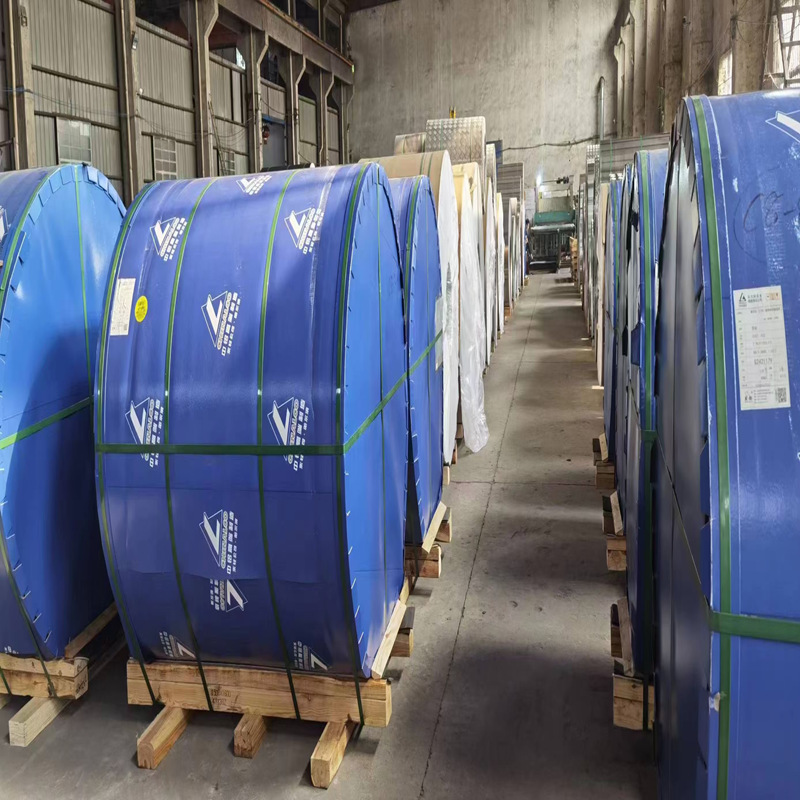
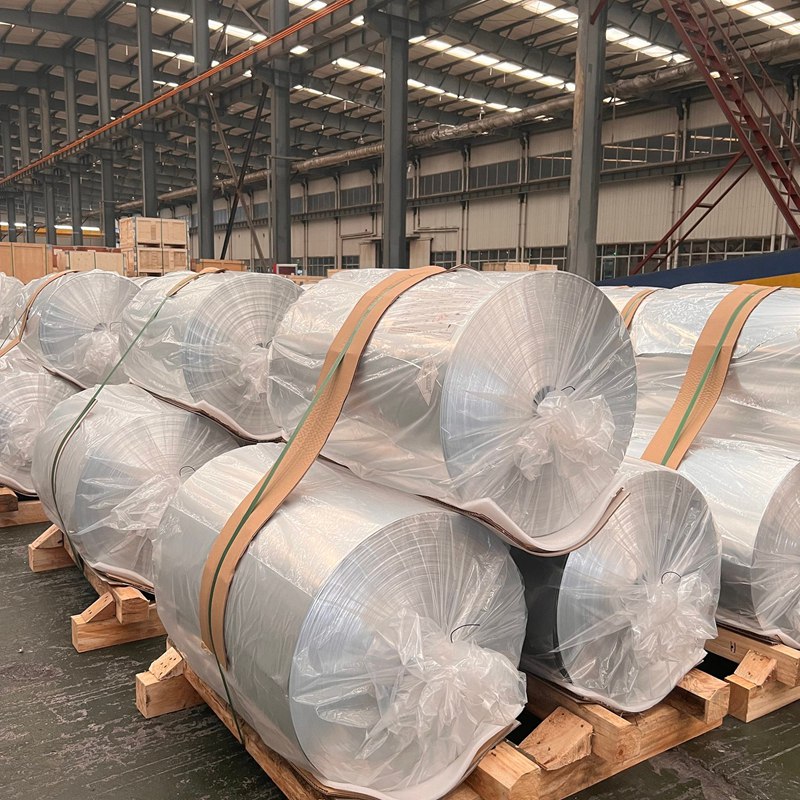
A4: We adopt professional packaging and protection measures: each coil is wrapped with PE film (anti-scratch), moisture-proof film (anti-oxidation), and kraft paper, then fixed on a steel pallet with anti-collision buffers. For long-distance sea transportation, we add waterproof covers and desiccants to avoid oxidation caused by moisture and salt spray.
We also mark "Handle with Care" and "Moisture-Proof" on the packaging to ensure the coils arrive in good condition and can be directly put into production.
Contact our sales team today for a quotation or to discuss your project requirements. We are committed to providing high-quality aluminum coils that meet your exact specifications and delivery deadlines.
Your trusted partner in aluminum steel solutions.For further technical information, pricing, or customization, please contact our sales team:
Tel/WA/Wechat: +86 13225105678
Email: sales01@duohessplate.com
Previous:no more
Next:no more
Leave a Message
Your voice matters! Whether you have a brilliant idea, valuable feedback, a pressing question about our products or services, or simply want to say hello – we genuinely want to hear from you.