
 Home
Home About Us
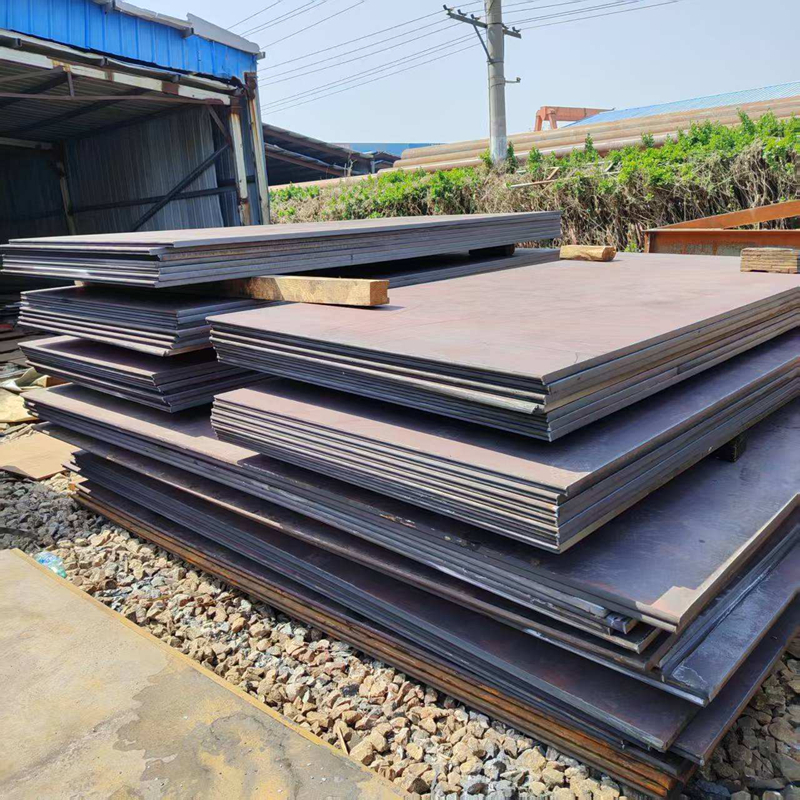
Boiler Plate
Product Overview
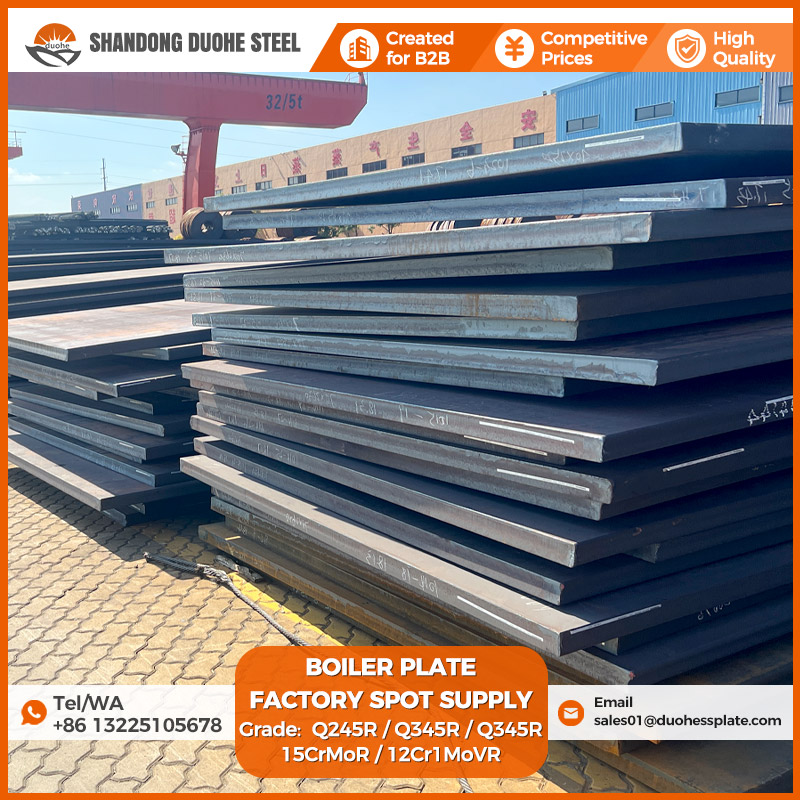
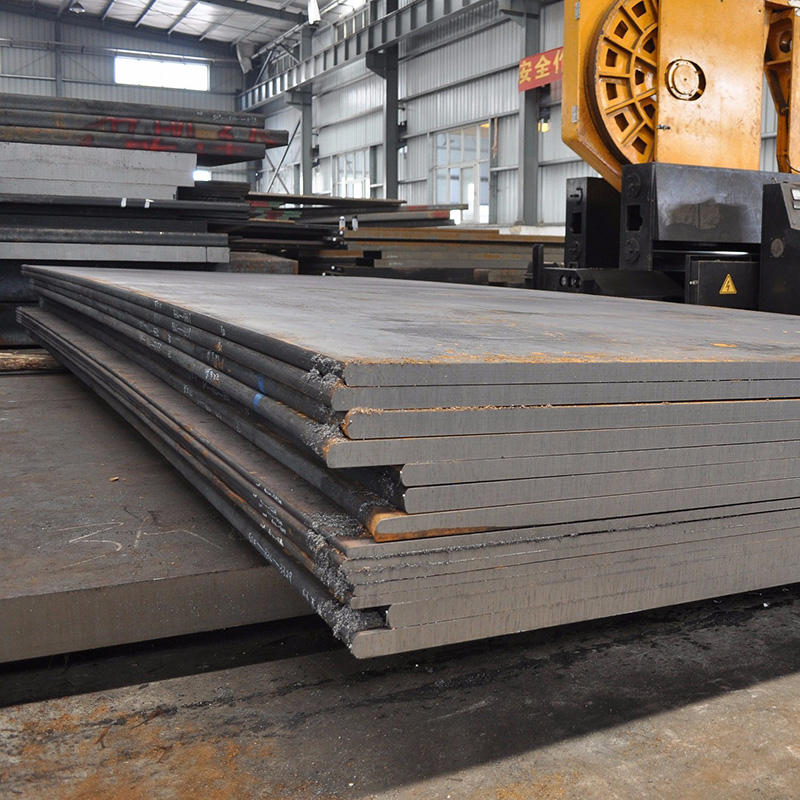
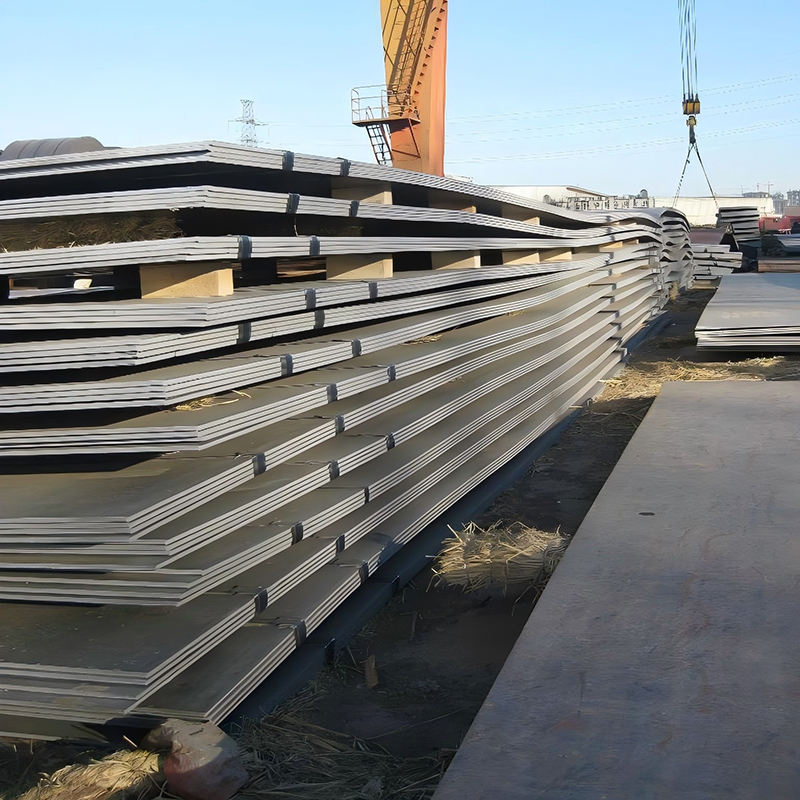
Carbon steel boiler plates are specialized metal sheets designed for boiler manufacturing and pressure vessel construction, mainly composed of iron and carbon with minimal alloying elements. They are featured with excellent high-temperature resistance, pressure-bearing capacity, weldability, and toughness, which can stably operate under medium-temperature (below 350°C) and high-pressure conditions without deformation or failure. With cost-effectiveness and wide applicability, they are the preferred material for your boiler-related projects in power, chemical, oil & gas, and shipbuilding industries.
ASME/ASTM Standards (Most Common for International Trade)
| Grade | Standard Thickness Range | Common Width Range | Common Length Range |
| SA516 Gr.55 | 4.8 - 200 mm (3/16" - 8") | 1200 - 3050 mm (48" - 120") | 6000 - 12200 mm (240" - 480") |
| SA516 Gr.60 | 4.8 - 200 mm (3/16" - 8") | 1200 - 3050 mm (48" - 120") | 6000 - 12200 mm (240" - 480") |
| SA516 Gr.65 | 4.8 - 200 mm (3/16" - 8") | 1200 - 3050 mm (48" - 120") | 6000 - 12200 mm (240" - 480") |
| SA516 Gr.70 | 4.8 - 200 mm (3/16" - 8") | 1200 - 3050 mm (48" - 120") | 6000 - 12200 mm (240" - 480") |
| SA515 Gr.60 | 6 - 150 mm | 1500- 4000 mm | 6000 - 18000 mm |
| SA515 Gr.70 | 6 - 150 mm | 1500- 4000 mm | 6000 - 18000 mm |
Mill Test Certificate (MTC) Provided for Each Batch
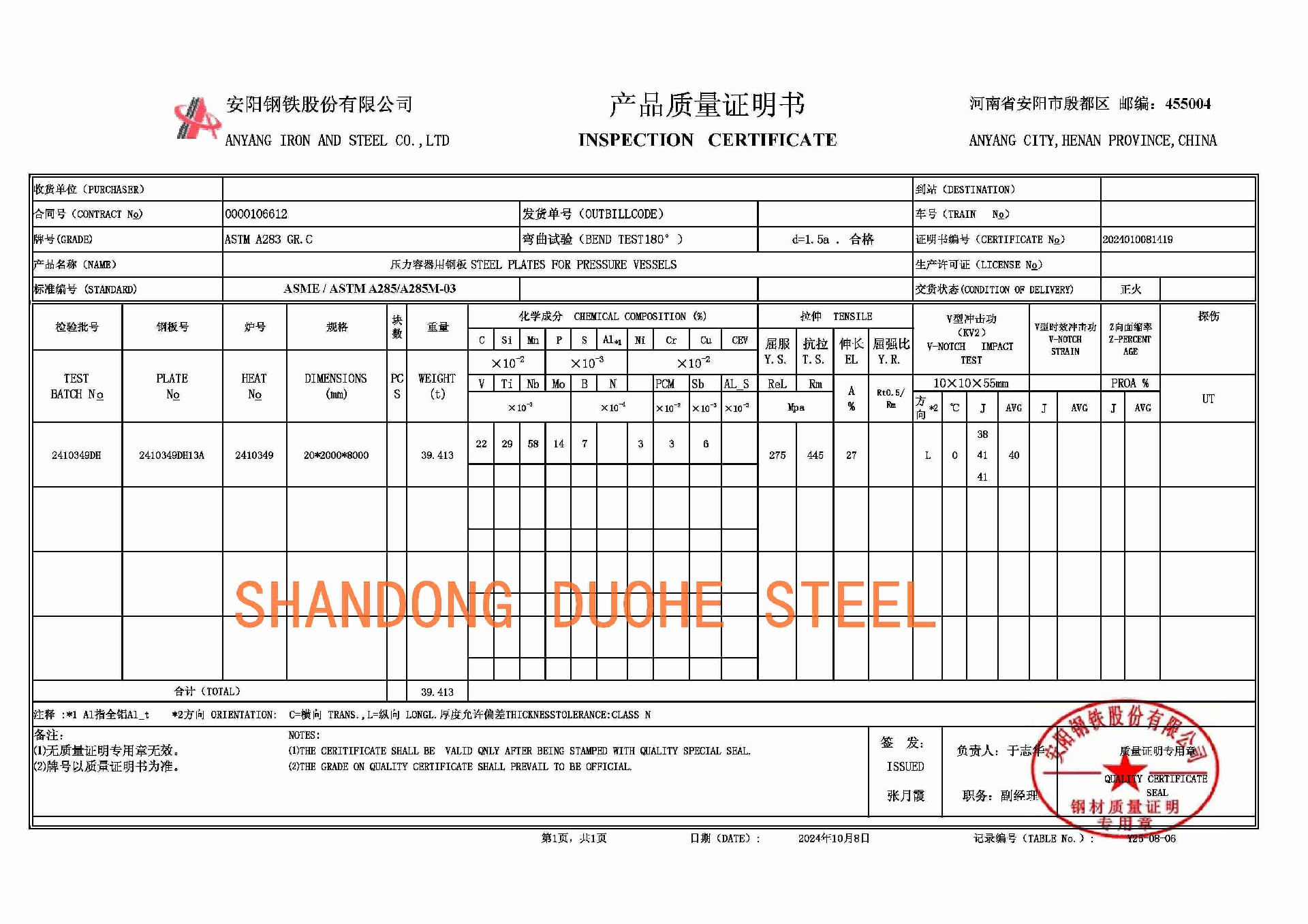
Common Boiler Plate Standards & Grades
| Standard | Grade Designation | T. S. (MPa) | Y.S. (MPa) min. | Key Characteristics |
| ASTM A515/A515M | Grade 60 [415] | 415-550 | 220 | Carbon-silicon steel for higher-temperature service in welded boilers |
| Grade 65 [450] | 450-585 | 240 | ||
| Grade 70 [485] | 485-620 | 260 | ||
| ASTM A516/A516M | Grade 60 [415] | 415-550 | 220 | Excellent notch toughness for pressure vessels |
| Grade 65 [450] | 450-585 | 240 | ||
| Grade 70 [485] | 485-620 | 260 | ||
| EN 10028-2 | P265GH | 410-530 | 265 (≤16mm) | Non-alloy quality steel with specified elevated temperature properties |
| P295GH | 460-580 | 295 (≤16mm) | ||
| P355GH | 510-650 | 355 (≤16mm) | ||
| GB 713 | Q245R | 400-520 | 245 (≤36mm) | Carbon-manganese steel for low to medium-pressure boilers |
| Q345R | 490-630 | 345 (≤36mm) | Higher strength for elevated pressure applications |
Typical applications (buyer‑focused)
Steam boilers (utility and industrial), hot water boilers and economizers.
Pressure vessels and heat exchangers in petrochemical and chemical plants.
Steam drums, headers, superheater elements and economizer housings.
Industrial furnace shells, reheaters and steam pipelines (where codes and temperatures permit).
Replacement plates and refurbishment parts for maintenance and overhaul.
FAQ — Frequently Asked Questions (for international buyers)
Q: What grades should I specify for boiler and pressure vessel plates?
A: Common international choices are ASTM A516 (Grades 60/65/70) for ASME applications, and EN 10028‑2 P235GH / P355NH / P355NL1 for European standards. In China GB/T Q235R / Q345R are commonly used. Select the grade that matches your design code and operating temperature/pressure requirements.
Q: How do I ensure the plate meets my pressure vessel design requirements?
A: Require a complete MTR (EN 10204 3.1/3.2) showing chemical composition, yield, tensile, elongation and hardness. Specify any required Charpy impact tests at the design minimum temperature. Ensure your fabricator’s WPS and PWHT procedures comply with the governing code.
Q: Are these plates weldable and do they need PWHT?
A: Most carbon boiler plates are weldable. PWHT is sometimes required depending on carbon equivalent, plate thickness and the governing code—especially for thick sections or where brittle fracture risk is present. Specify PWHT and preheat requirements in your purchase order and verify with supplier/fabricator.
Q: How should I store and handle boiler plates on site to avoid damage?
A: Store plates flat, elevated from the ground, covered and in a dry area. Use interleaving paper or VCI to prevent scratching and corrosion. Lift with spreader bars and slings—do not drag plates across surfaces. Apply temporary corrosion protection for long storage in humid or coastal climates.
Contact our sales team today for a quotation or to discuss your project requirements. We are committed to providing high-quality shipbuilding plates that meet your exact specifications and delivery deadlines.
Your trusted partner in boiler and pressure vessel plates solutions.For further technical information, pricing, or customization, please contact our sales team:
Tel/WA/Wechat: +86 13225105678
Email: sales01@duohessplate.com
Previous:no more
Next:no more
Leave a Message
Your voice matters! Whether you have a brilliant idea, valuable feedback, a pressing question about our products or services, or simply want to say hello – we genuinely want to hear from you.